
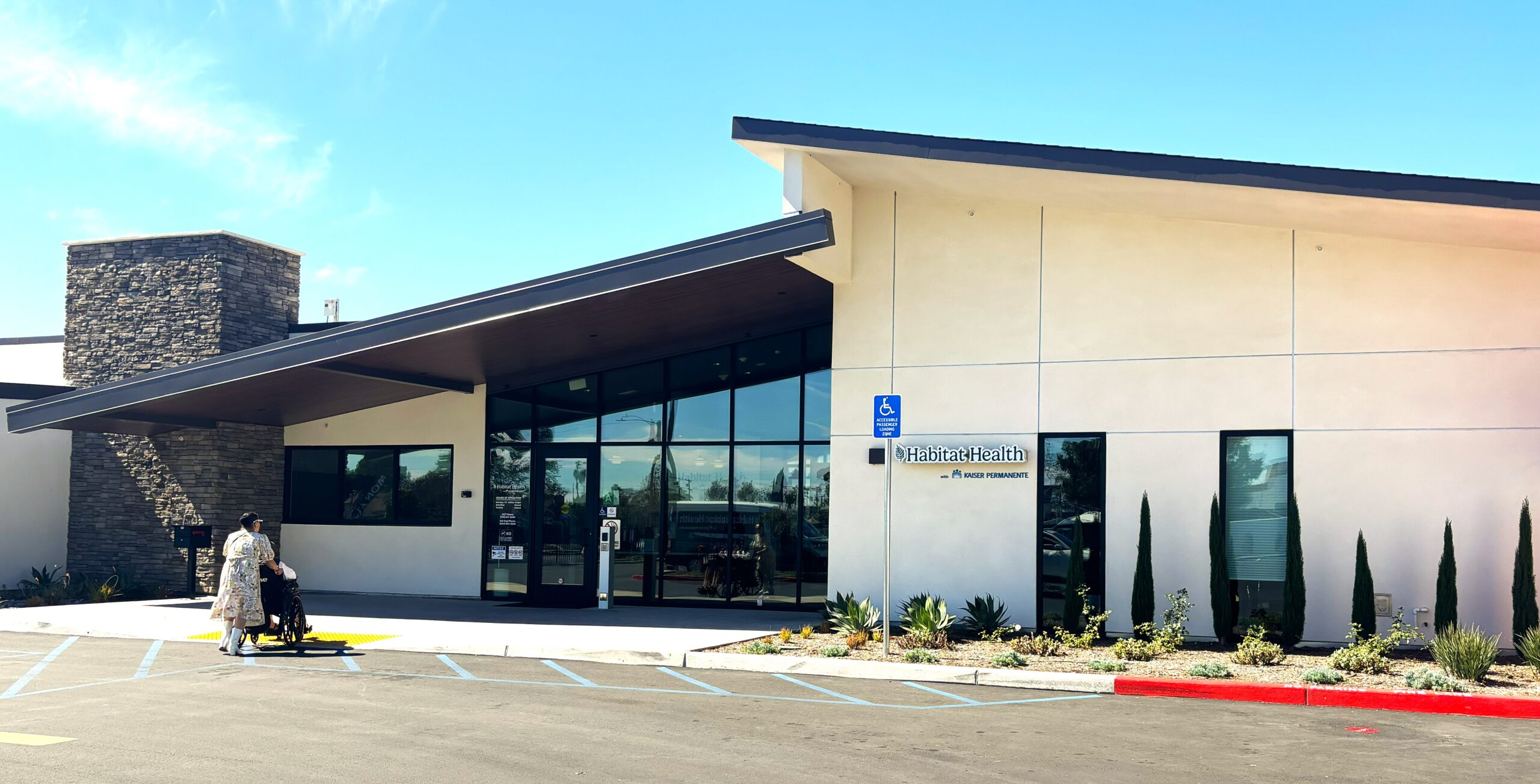
New Healthcare Facility Focuses on Access, Dignity for Compton Seniors
By Marion Apio
Compton seniors who’ve long faced barriers to accessing quality healthcare now have a new place to call their own.
Dubbed the Program of All-Inclusive Care for the Elderly, or PACE, the center marks a significant expansion of holistic healthcare for seniors aged 55 and older in South Los Angeles.
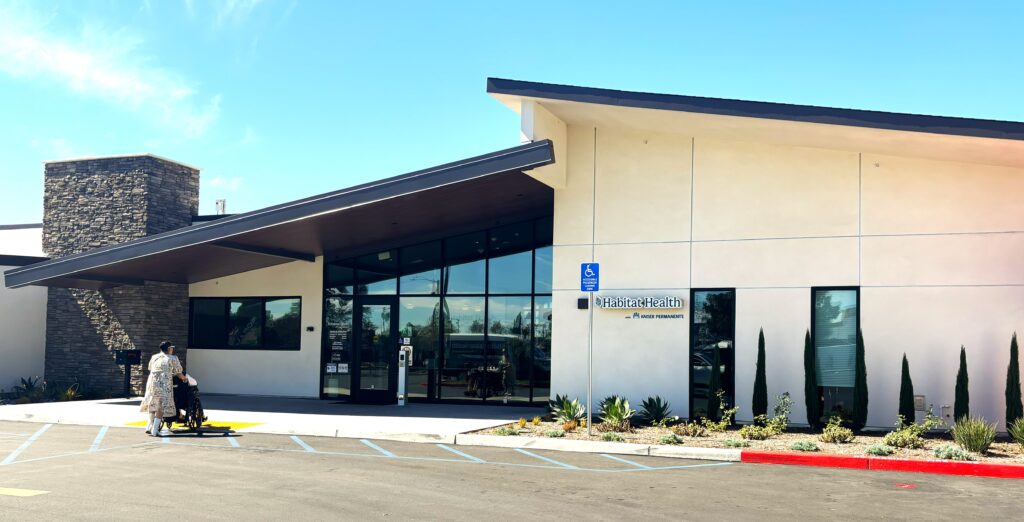
The facility, a collaboration between Habitat Health and Kaiser Permanente, aims to bridge a long-standing gap in geriatric services by providing medical care, adult day programs, home health, and social recreation under one roof.
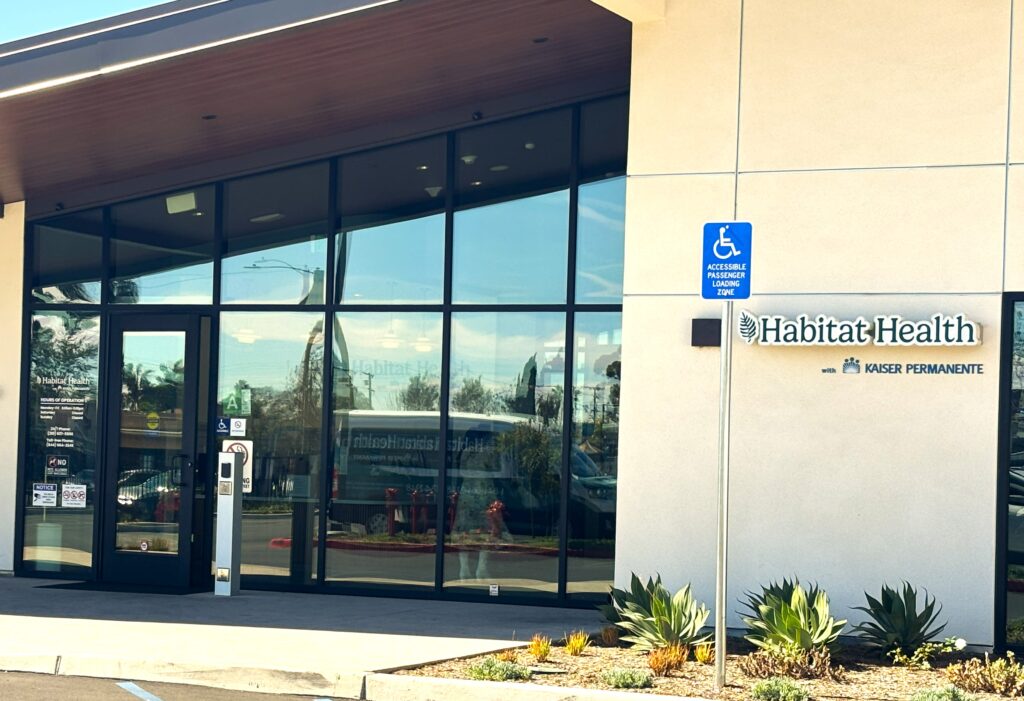
Located at 1005 E. Rosecrans Ave., in Compton, the center operates as a high-access health solution for a community where older adults frequently struggle to find comprehensive support.
Funded by Medicare and Medi-Cal, the PACE model serves as both a primary care provider and a social hub.
While the facility currently serves 10 participants, administrators say they have plans to scale significantly to meet the needs of the region’s growing silver population.
“I have always wondered why our communities have not had the opportunities to have a PACE program because of our growing population,” said David London, a senior healthcare specialist and consultant at ACG Training Management Consulting Company. “This is a great step, especially for the city of Compton, in addressing senior care and access.”
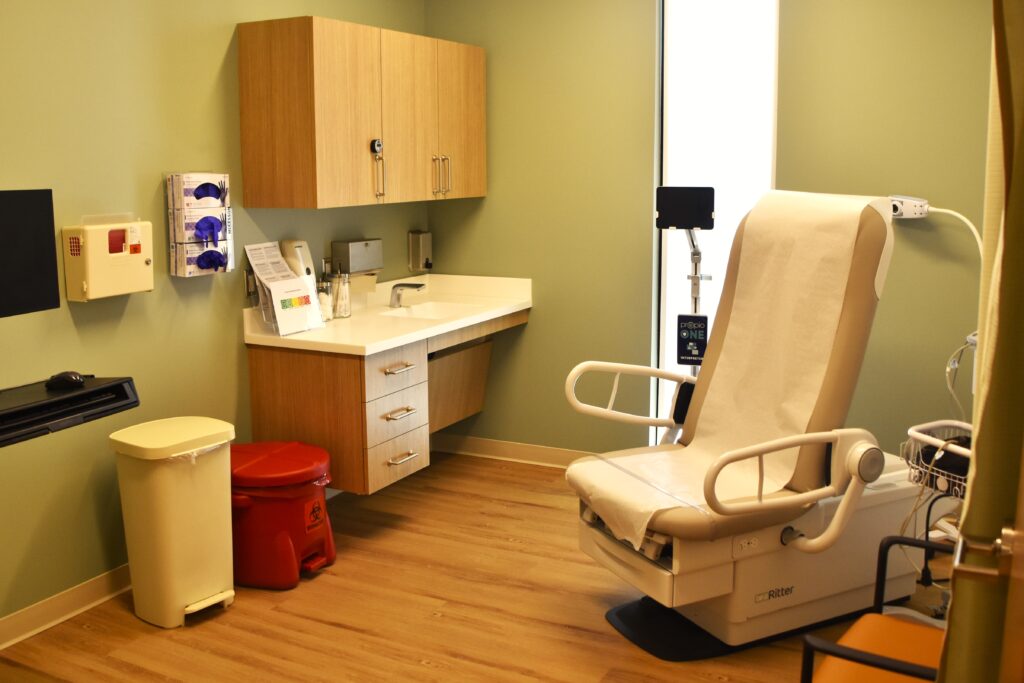
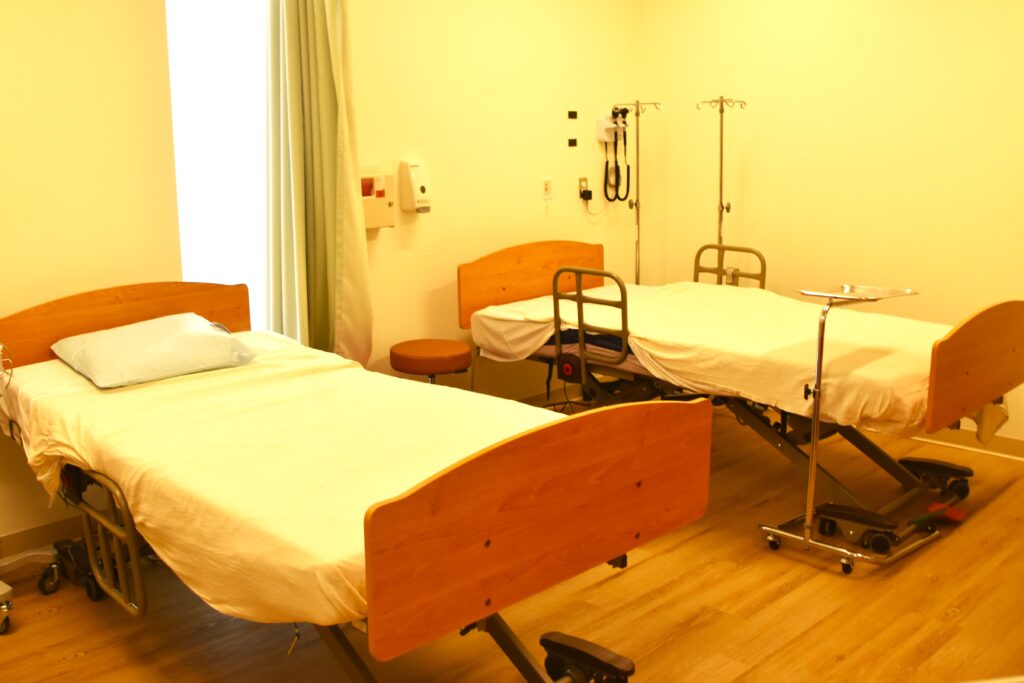
The facility’s medical wing is designed to deter unnecessary hospitalizations and nursing home placements.
During a recent tour, Eula McCarver Johnson, an RN care manager at Habitat Health, showcased a clinic equipped with several exam rooms, an observation room, and an isolation area.
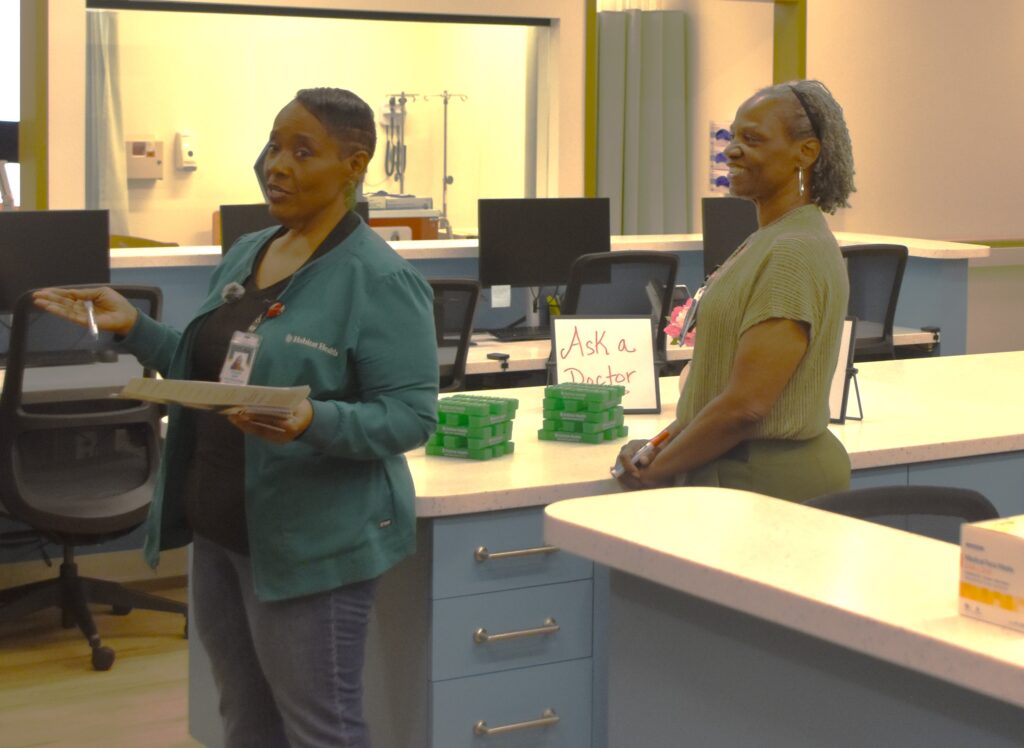
Johnson emphasized that the center provides same-day appointments for urgent issues such as high blood pressure or wound care, offering a level of responsiveness often missing in traditional healthcare settings.
The program also ensures accessibility by providing transportation for all medical needs, including specialty appointments at Kaiser Permanente for services like radiology.
Beyond clinical requirements, the center focuses on the restoration of dignity through basic services. The facility includes specialized showers where personal care assistants help participants who may be unable to bathe safely at home due to a fear of falling.
In the rehabilitation department, the physical therapy team uses functional tools to help stroke victims and those with mobility issues.
“It doesn’t have to look like traditional exercise,” a physical therapy team member noted. “Walking your dog, gardening, cooking—if you’re moving around and your heartbeat is going up, that’s exercise. We want them to be independent.”
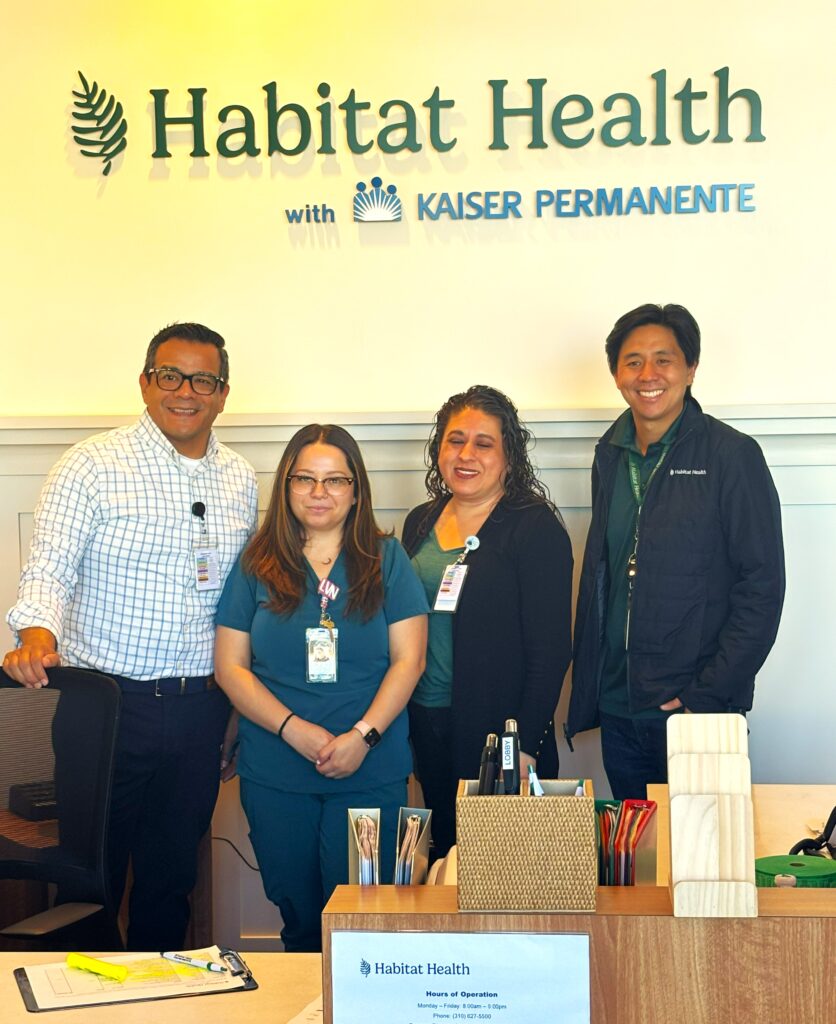
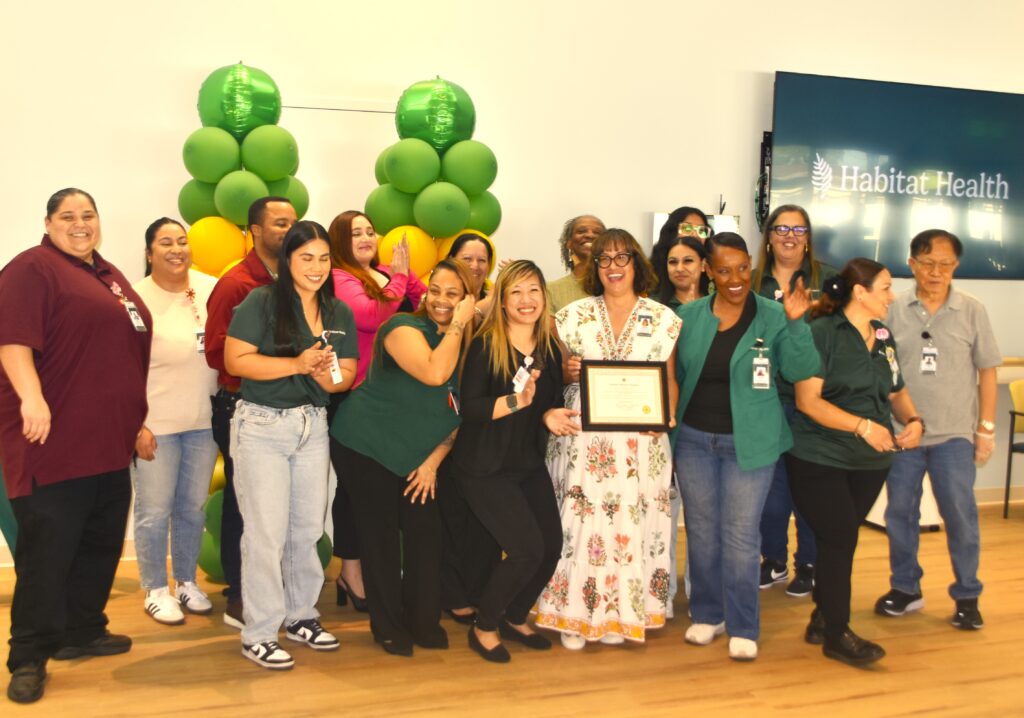
The grand opening on Feb. 28 drew community members and local practitioners who spoke to the urgent necessity of the program.
Executive Director Sofia Guel-Valenzuela, who was presented with a certificate of welcome by the Latino Chamber of Commerce, shared that her inspiration for the role stems from her grandfather.

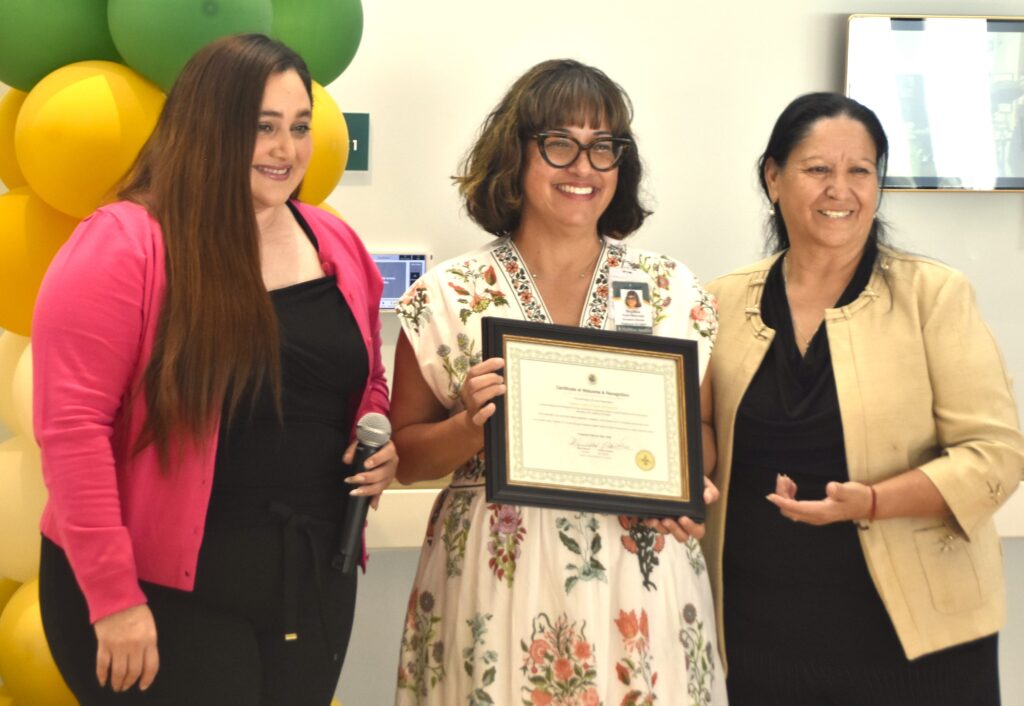
Her passion for addressing social issues led her to pursue a master’s degree and ultimately lead this expansion into South Los Angeles.
“On your terms, we help you live the way you want to live out of nursing homes,” Guel-Valenzuela said.
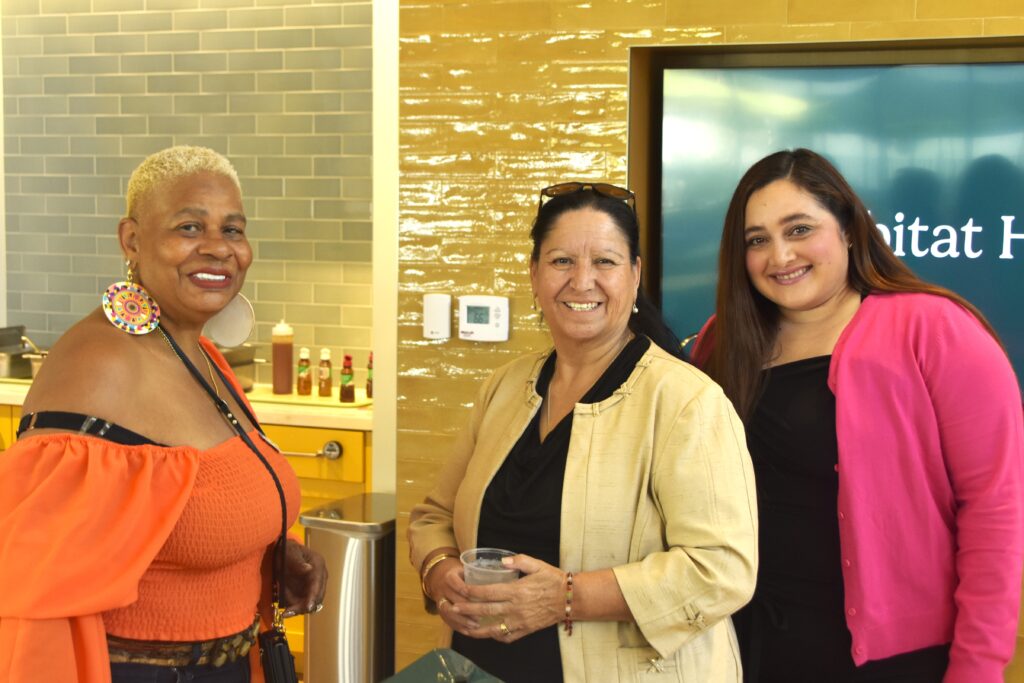
Despite the optimism surrounding the opening, the PACE model faces systemic hurdles. The enrollment process is not immediate, typically requiring 30 to 45 days for state approval following a thorough assessment.
Furthermore, a significant barrier remains for the most at-risk population: the requirement to be “safely housed.” Staff clarified that individuals experiencing homelessness must secure housing before they can enroll.
While the state defines housing broadly enough to include converted garages or certain hotels, those in transitional housing with fixed move-out dates are often disqualified.
Effie Vidas, a social worker at the site, helps participants navigate these complexities, including mental health needs and food assistance programs like CalFresh.
For the seniors already enrolled, the impact is personal. A participant enrolled at the Sacramento location, who moved to California in 1975, described the environment as family-oriented.
She noted that while seniors are often ignored in public spaces like grocery stores, the staff at the center treats them with a level of respect that helps them feel “human” again.
Habitat Health CEO Matthew Bennett said in a LinkedIn post that the goal of the Compton center is to make care easier to reach and truly centered on helping older adults stay engaged in their own neighborhoods.
While this facility represents a vital start, advocates say it is only one piece of the puzzle. More opportunities are needed to educate younger generations, families and seniors about available care and where to find it.
With two more locations planned for California, the call to action remains for local governments to integrate stable housing with these health services to ensure the most vulnerable are not left behind.
“Opening our center in Compton helps close a real gap in access to care for older adults across South Los Angeles,” Bennett said in a LinkedIn post.
This story was published in collaboration with the University of Southern California Center for Health under the California Health Equity Fellowship