
Compton Breaks the Silence about Black Men Caregivers and Dementia
By Marion Apio
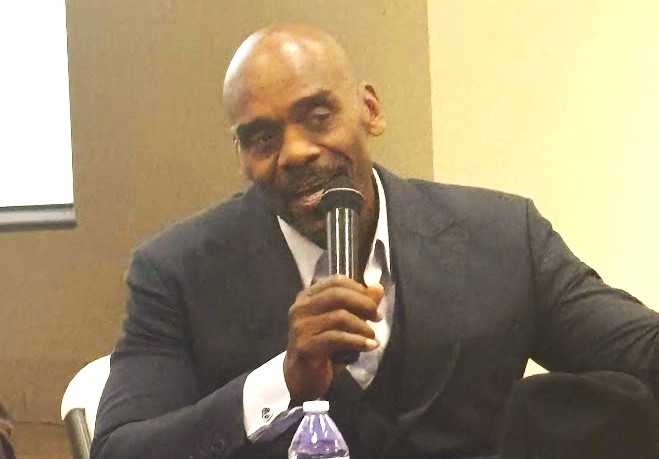
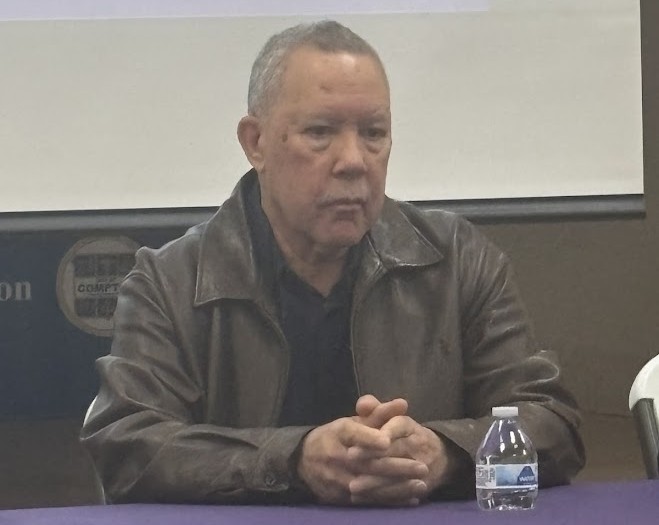
Tyrone Hans-Davis walked into the Dollarhide Community Center on Thursday carrying a heavy, fresh grief. Just hours earlier, he had been at Grant AME Church in Los Angeles for the memorial service of his mother, Ethel Jean Davis—the woman he had spent years caring for as she slipped away into dementia.
Yet, instead of heading home to be with friends and family and mourn in private, Hans-Davis took his seat on a stage to join a growing, often silent demographic of Black men often caregiving in silence.
“I came because this is what my mother would have wanted,” Hans-Davis said. “Black men don’t have enough honest conversations.”
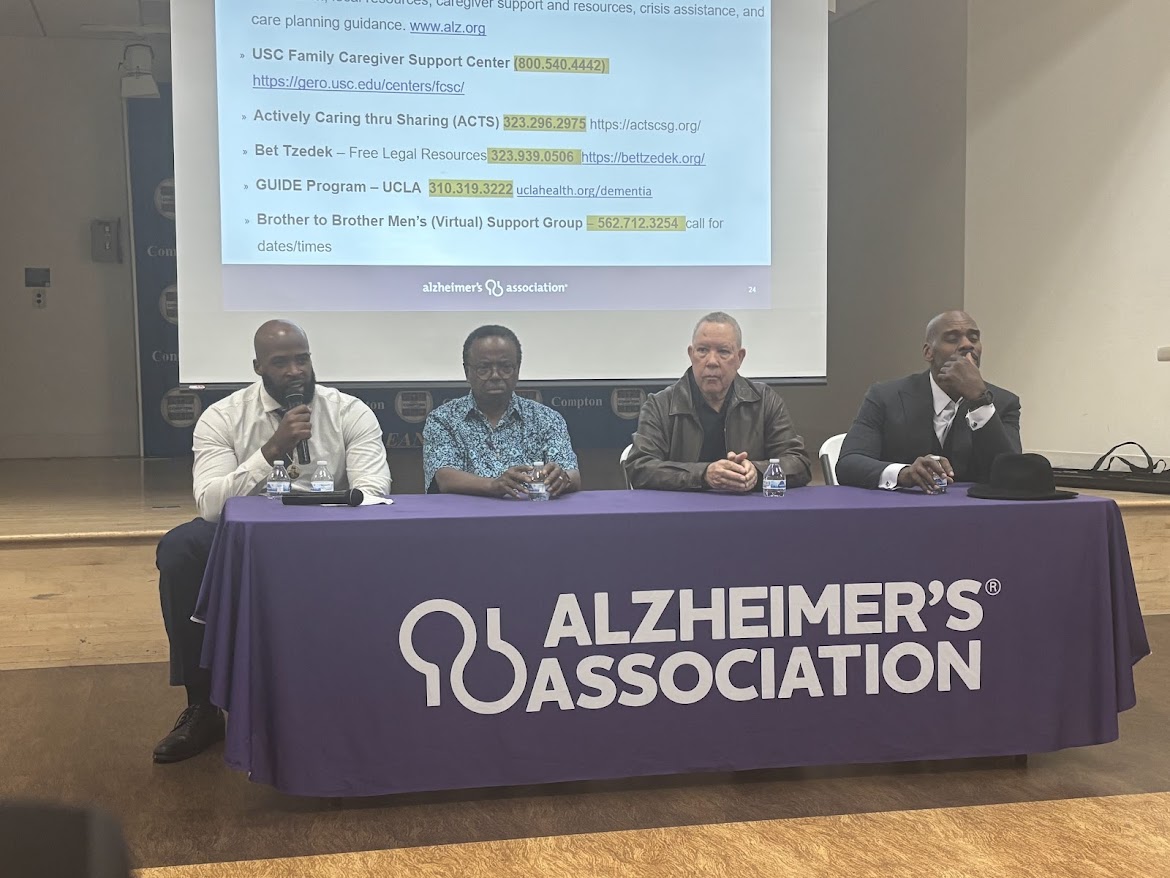
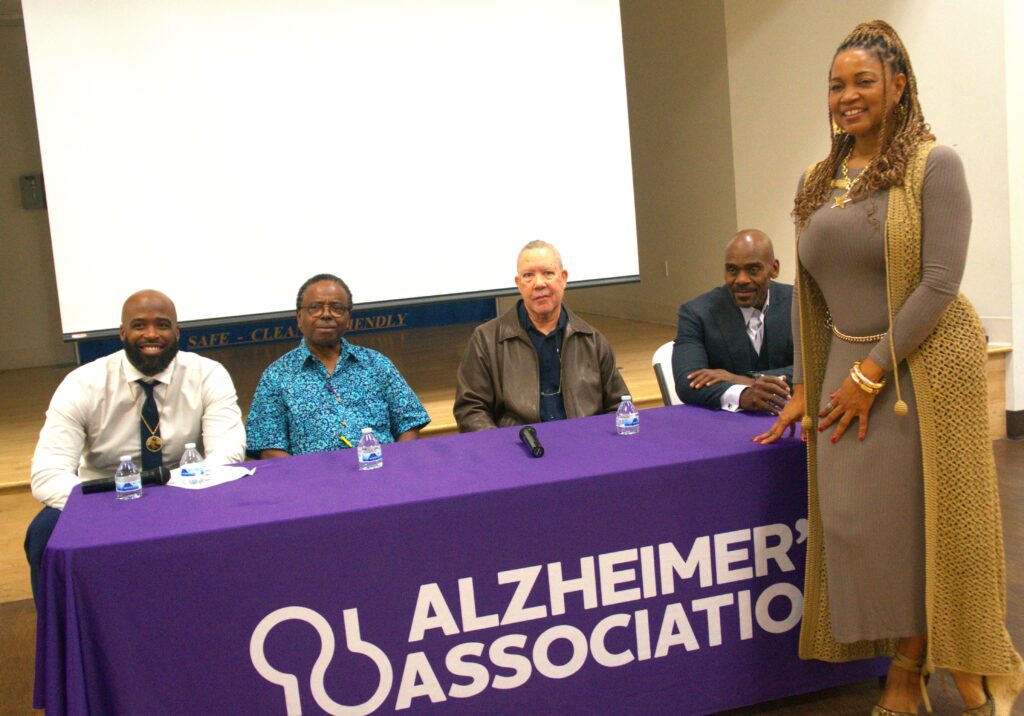
Hans-Davis was among a panel of Black men who gathered to shatter a long-standing culture of silence surrounding male caregivers.
The event, a collaboration between the Alzheimer’s Association, Compton Councilman Jonathan Bowers, and Reel-Bright Productions, aimed to shine a light on the unique isolation and cultural stigmas facing Black and brown men who navigate the grueling and often isolating realities of dementia care.
As Alzheimer’s and related dementias disproportionately affect the Black community and people of color, organizers say the invisibility of male caregivers has created a public health gap, leaving men to manage the physical and emotional toll of the disease without a roadmap or a support system.
The centerpiece of the gathering was a screening of The Caregiver, a film produced by William Bright that centers on the fraying bond between a father and son caught in the grip of dementia.
The screening served as a raw catalyst for the discussion that followed, forcing a confrontation with the intersections of Black masculinity and vulnerability.
For the men in the room, the film mirrored their own reality, which is the heavy, often unspoken burden of providing home-based care while navigating a society that rarely makes space for their emotional needs.
“There are not enough stories regarding Black fathers and their sons,” Bright said. “We do not acknowledge we are caregivers. We wanted the film to highlight a lot of stigma and misconceptions.”
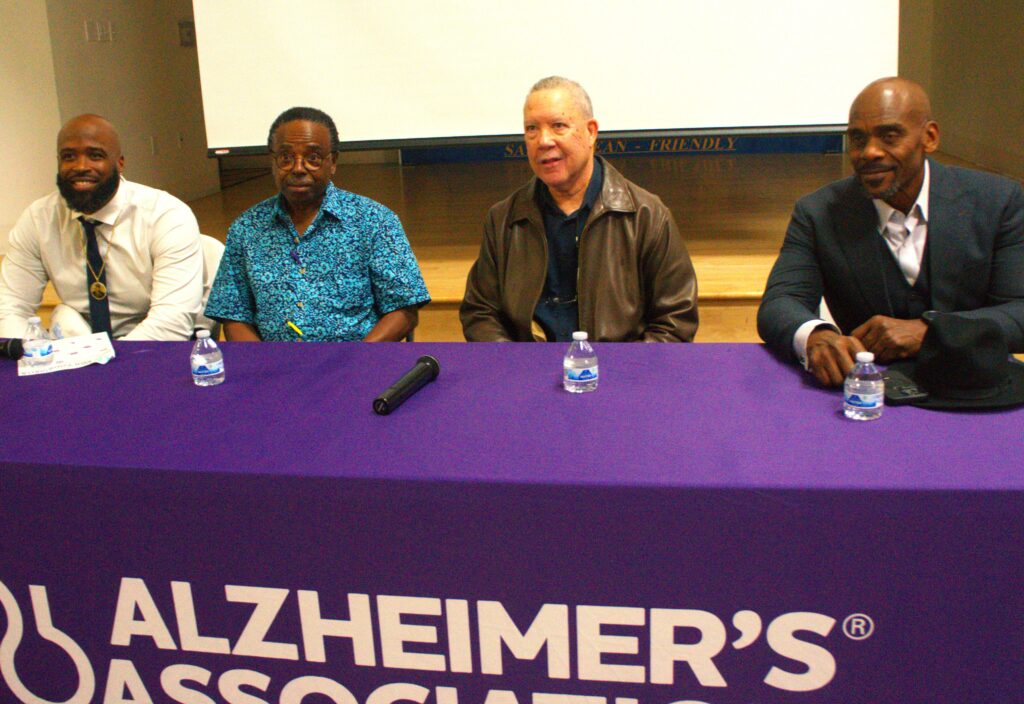
For panelist Jim Kelly, the solution to this isolation lies in creating safe spaces where men can be vulnerable. Kelly, who founded the support group Brother to Brother with his wife, told the audience that the group serves as a necessary counter-narrative to the traditional, lonely experience of the male caregiver.
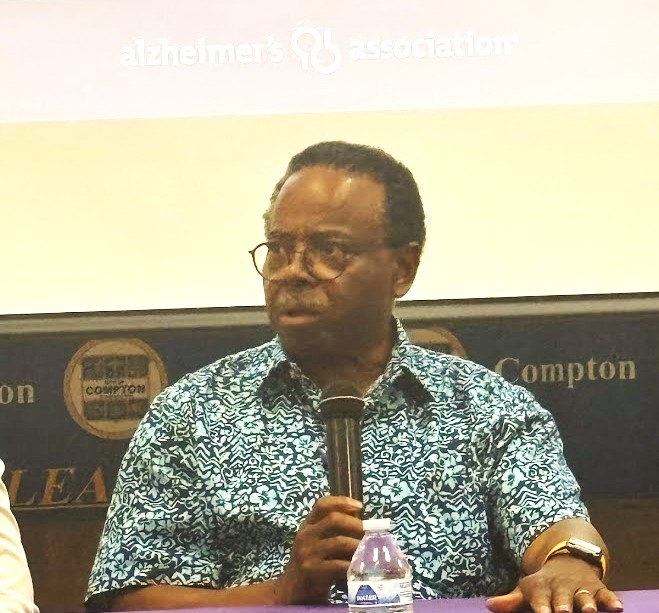
By providing a platform for solidarity, Kelly aims to bolster men who are often providing 24/7 care without a support system to lean on. The stakes of this silence are measured in emotional strain, as well as missed medical support opportunities.
Tia Delaney-Stewart, the event’s host and director of Diversity, Equity, and Inclusion for the Alzheimer’s Association, said that while Black Americans are twice as likely to develop dementia, they are 34% less likely to receive a formal diagnosis.
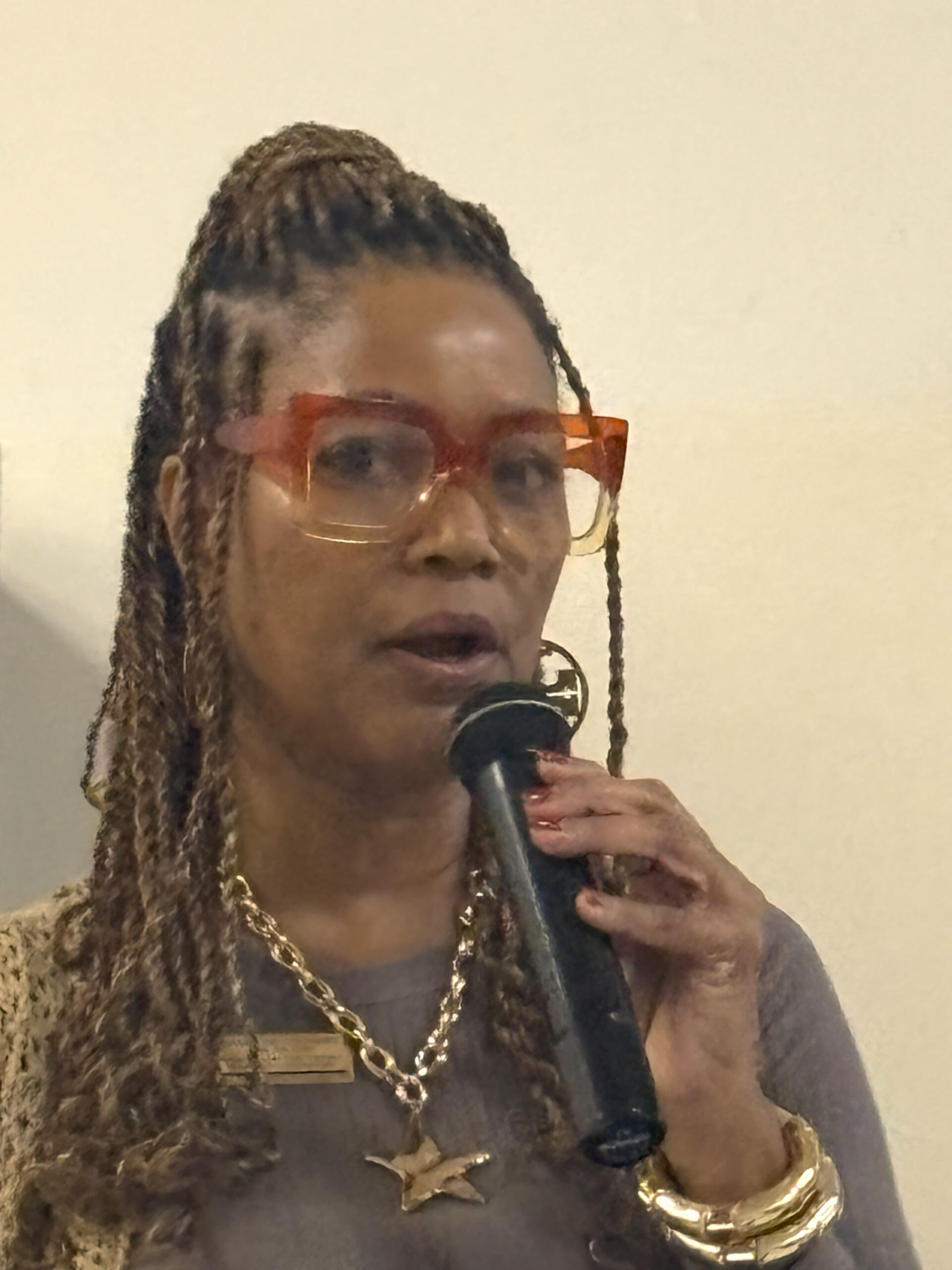
“Too many Black men are caregiving in silence,” said Delaney-Stewart, a registered nurse who cared for her own late husband. “Although 38% of caregivers are men, black men don’t identify as caregivers. Many live with the dementia patients they care for.”
She revealed a staggering local reality: approximately 20,000 residents are currently living with the disease undiagnosed, often because families mistake the symptoms for normal aging or depression.
However, the message of the afternoon was one of empowerment rather than just loss. Delaney-Stewart emphasized that proactive lifestyle changes—including diet, exercise, and consistent sleep—can lower the risk of cognitive decline by as much as 40%.
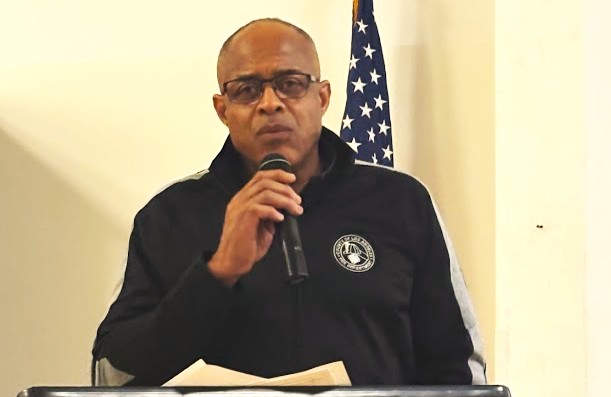
It was a sentiment emphasized by Councilman Bowers, who grounded the medical advice in his own family’s tragedy. “It was too late for my mother,” Bowers told the crowd, urging Compton residents to be vigilant. “But it’s not too late for your loved ones. We need to stay on top of what’s going on in our community.”
The Alzheimer’s Association reports that for Black families, dementia consumes an average of 80% of their assets in the final five years of a loved one’s life. When home care is no longer an option, the costs are staggering: in the Los Angeles metro area, the average cost of memory care has climbed to nearly $10,000 per month, with high-end residential facilities reaching $20,000. With men now making up 40% of the nation’s 11 million informal caregivers—many of whom are balancing full-time employment—the lack of a community support system often becomes a fast track to financial ruin.
Panelist Donald Hurst spent more than five years as the primary caregiver for his father, a journey complicated by a history of emotional distance. Hurst highlighted the unique psychological weight of caring for a parent when the relationship has been strained, noting the difficulty of providing intensive support while simultaneously raising his own young family. While the two eventually reconciled, the experience transformed Hurst’s professional focus; he now works to help formerly incarcerated fathers reintegrate into their families, aiming to repair those familial bonds before a crisis occurs.
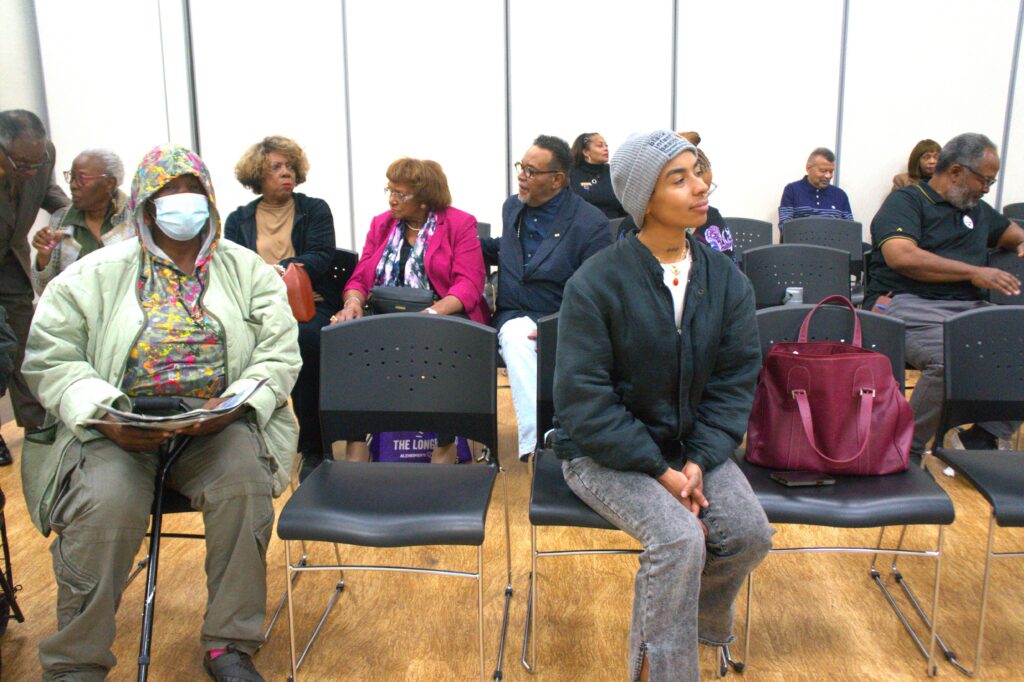
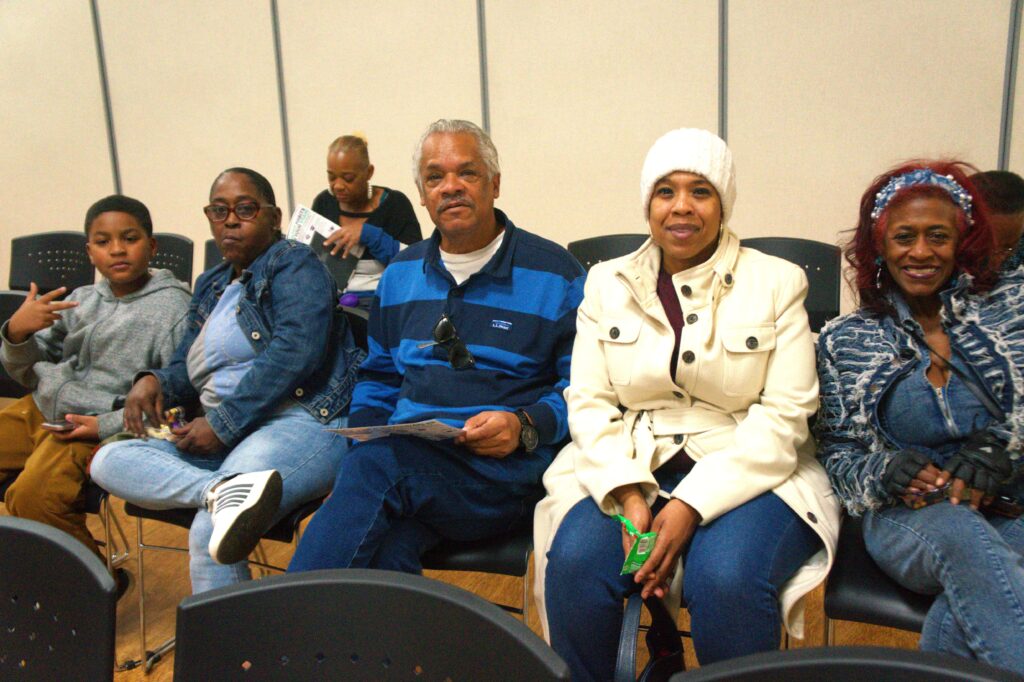
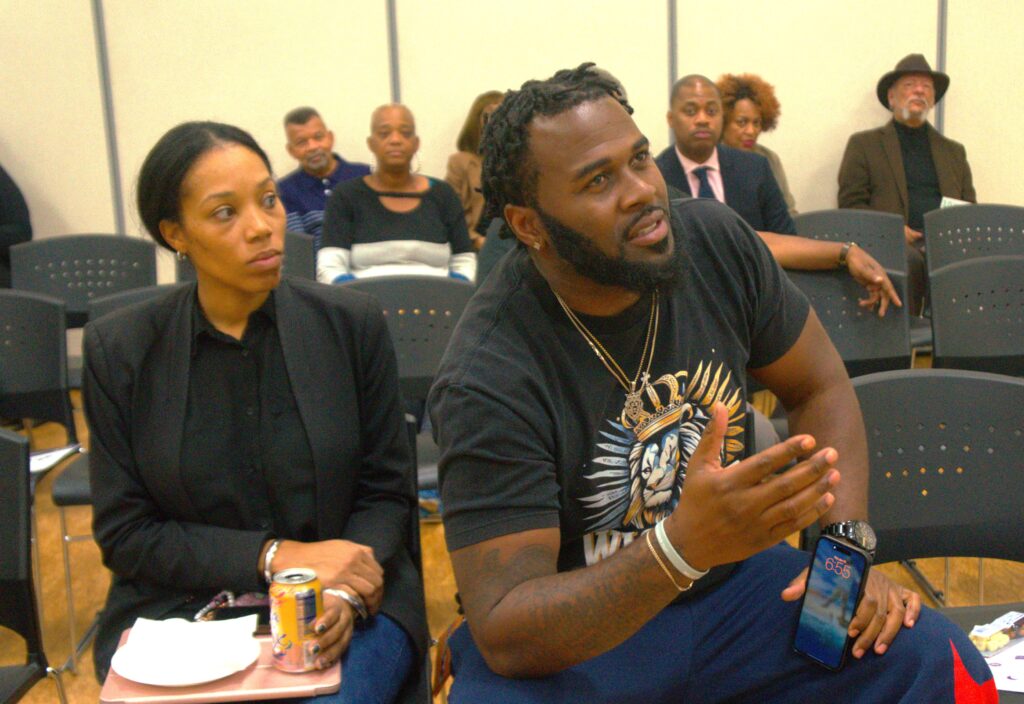
For attendees like Maryam Karim, Hurst’s story served as a practical roadmap. Karim, who has begun noticing signs of cognitive decline in her own father, said the event bridged a critical gap between recognizing a problem and knowing where to turn for resources.
The evening was a call for early medical intervention and a rejection of the shame associated with the disease. Organizers said the goal is to replace isolated caregiving with a community-wide network, ensuring that the next chapter of Alzheimer’s research includes the residents of Compton.
The urgency of the meeting was underscored by a major medical milestone. In late 2025, the medical community reached the “2025 National Goal,” an initiative established by the National Alzheimer’s Project Act (NAPA) to effectively treat and prevent Alzheimer’s by 2025. While the milestone brought new research into precision medicine, local leaders said the benefits have not yet reached all communities equitably.
The event concluded with a direct challenge to that disparity: a call for early medical intervention and a collective rejection of the shame often tethered to a diagnosis.
Jim Kelly emphasized that the shift begins at home, noting that as parents age and health deteriorates, the demand for support often exceeds what one person can provide. Kelly urged families to reach a consensus on care plans early, stressing that if a family cannot provide the necessary 24-hour support with love and patience, they must look toward external caregivers to prevent the “financial and emotional ruin” of the household.
Despite the outward appearance of strength, many male caregivers described a persistent “fear of the unknown.” Hurst recalled the psychological suspense of his father’s final months. After doctors gave his father two weeks to live, he survived for another nine months. During that time, Hurst said every phone call felt like “terror,” a constant bracing for the end while managing the daily sacrifices of care.
That sacrifice is often compounded by a lack of public awareness. Because dementia symptoms can mirror the effects of substance abuse or erratic behavior, patients are frequently misidentified as criminals or vagrants. Culturally, Black men in these roles often grapple with a trifecta of fears: the fear of being perceived as weak, the fear of failure, and an inability to process the complex emotions of grief and duty.
Panelists noted that without an outlet, this “suffering in silence” frequently manifests as anger, aggression, or total isolation.
Charles Jackson, a longtime resident and editor of City Pride Magazine, raised the alarm for those already falling through the cracks, specifically senior citizens who are lost in the legal system or are facing homelessness due to the cognitive and financial drain of the disease.
Meanwhile, Delaney-Stewart said that the Alzheimer’s Association is now working directly with law enforcement to implement protocols that prioritize medical assessment for seniors over incarceration or involuntary commitment to mental health institutions.
For Hans-Davis, the work continues. Even as he begins the long walk of mourning the loss of his mother, he remains a lead voice in this emerging chorus, ensuring that the men of Compton no longer have to stand in the silence.
“Men don’t talk about their emotions,” Has-Davis said. “We talk about cars, women, money, and sports, yet we have the same dynamic range of emotions that women do. We don’t just ignore them, we put them in a box, and that box becomes pressurised. One day, when things line up in a not-so-positive way, it’s a catastrophe.”

If you are caregiving and need support, the following organizations provide immediate assistance:
- Alzheimer’s Association: 24/7 Helpline (800-272-3900) for crisis assistance, local resources, and care planning. alz.org
- USC Family Caregiver Support Center: (800-540-4442) gero.usc.edu/centers/fcsc
- Actively Caring Through Sharing (ACTS): (323-296-2975) actscsg.org
- Bet Tzedek Free Legal Resources: (323-939-0506) bettzedek.org
- GUIDE Program – UCLA: (310-319-3222) uclahealth.org/dementia
- Brother to Brother Men’s (Virtual) Support Group: (562-712-3254) Call for dates and times.