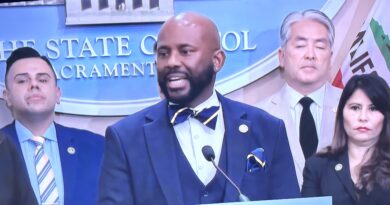
California’s 14 ballot propositions put everyday decisions in voters’ hands
By Dr. Marie Y. Lemelle, MBA, PhD
President, Beverly Hills Chapter, Southern California Black Chamber of Commerce
California voters face 14 statewide propositions in the November 3, 2026 general election. Taken together, the measures reach into decisions that affect all of us: how families buy homes, how schools and health care are funded, what identification voters must provide, and how state and local governments can raise and spend public money. Each proposition has a different reach, but the choices voters make will shape the rules Californians live and work under well after Election Day.
That was the weight of this election we wanted to convey at the KBLA Voter Forum led by Tavis Smiley, where nearly 900 people gathered, including elected officials, candidates, advocates, and community members. Our job was to make the ballot language easier to understand so people could see what a yes or no vote would mean and hear where we stood.
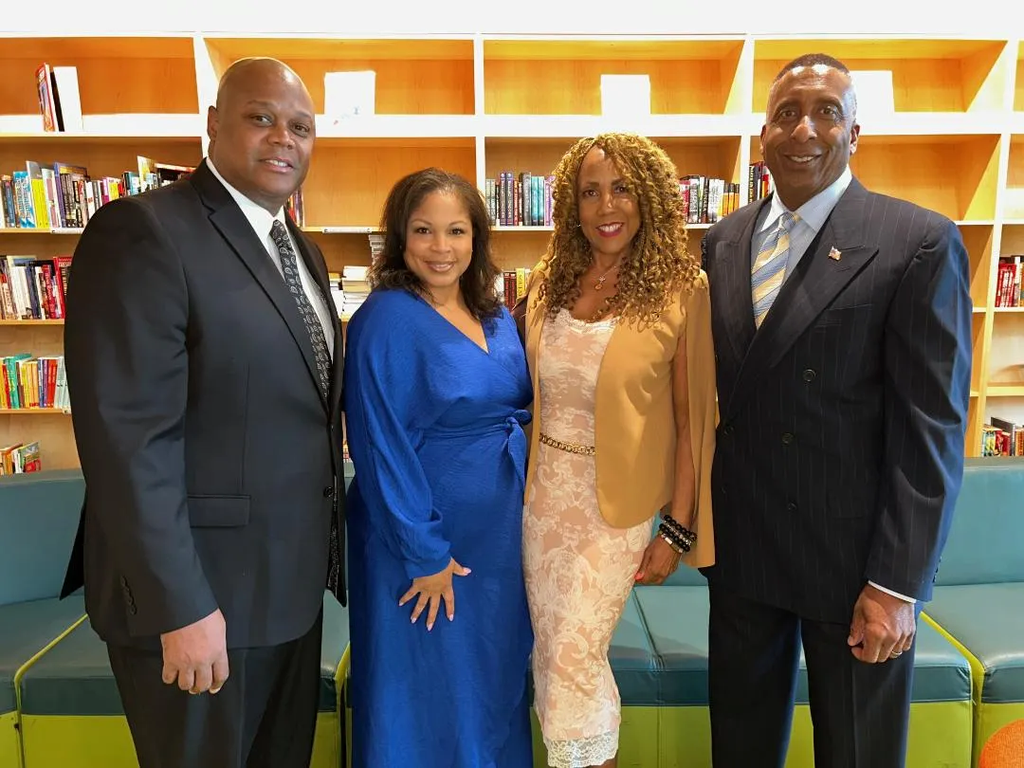
Ahmad Holmes, president and chief executive officer of the California African American Chamber of Commerce, addressed Proposition 40, which would impose a one-time 5% tax on the wealth of certain billionaires. Damon Alexander, a former San Bernardino City Council member, addressed Proposition 41, which would require reviews of programs funded by certain new state taxes and change how some of that spending counts toward the state’s spending limit. Rich Wallace designated me to represent the Southern California Black Chamber of Commerce at the forum, where I explained why the organization, which encompasses 14 chapters, supports Proposition 42.
Why small businesses have a stake
California has more than 4.3 million small businesses, according to figures reported by the governor’s office in October 2026. They account for 99.8% of all businesses in the state and employ about 7.6 million people, or 47.4% of California’s private-sector workforce, according to the
U.S. Small Business Administration’s state profile. That federal profile also counts about 3.5 million California small businesses with no paid employees. For many of those owners, the same business that pays the household bills is also how they hope to build something they can sell, pass on or draw on in retirement.
“I think about the owner who puts money back into the business for years, hires when there is enough work to justify another paycheck, and saves what remains for retirement. The value of that owner’s stake can rise without putting another dollar in the bank. That is why the difference between taxing what a business earns and taxing what an owner’s stake is worth matters to small-business owners.”
Why our Chamber supports Proposition 42
If approved, Proposition 42 would amend California’s Constitution to prohibit new state taxes on the ownership of covered personal property, including business interests, intellectual property, and assets in retirement and investment accounts. It would also limit certain new taxes that reach back to activities or circumstances before the tax took effect. The measure would not cut an owner’s current tax bill or make business income tax-free.
“The Southern California Black Chamber of Commerce supports Proposition 42 because owners who spend years building a company and setting aside savings deserve to know which assets the state can tax as they plan for retirement or decide who will carry the business forward.”
Voters should weigh the tradeoff, too. The Legislative Analyst’s Office says Proposition 42 could reduce future tax revenue by limiting the state’s options, though it cannot say when or by how much. It also says that if both Propositions 40 and 42 pass and Proposition 42 receives more yes votes, a court could find the two measures conflict and prevent Proposition 40 from taking effect. That is one reason we discussed the measures together at the forum: the consequences of a vote on one proposition may depend on what voters decide about another.
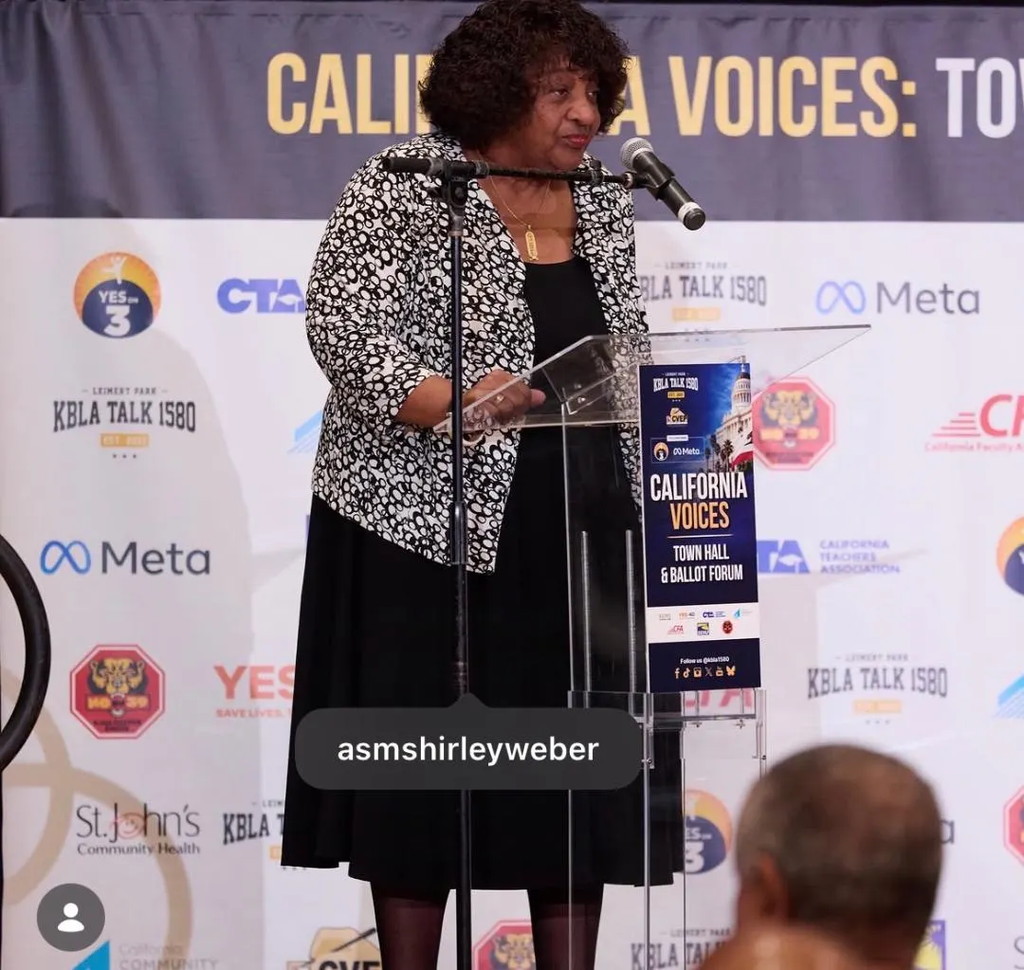
Secretary of State Shirley N. Weber is running for re-election. Weber is the first Black secretary of state in California’s history appointed in 2021, after serving eight years in the Assembly. Courtesy photo.
I came to the forum to explain our Chamber’s position and give people enough information to judge it for themselves. A voter should be able to read a ballot measure and understand what changes, who is affected, and what the public gives up in return. With 14 statewide propositions before us, that kind of clarity makes an informed vote possible.
About the author
Dr. Marie Y. Lemelle, MBA, PhD, is the founder and CEO of Platinum Star Public Relations, co-founder of LMxML Brand Agency, and president of the Beverly Hills Chapter of the Southern California Black Chamber of Commerce. Follow Dr. Lemelle on Instagram at @platinumstarpr.